
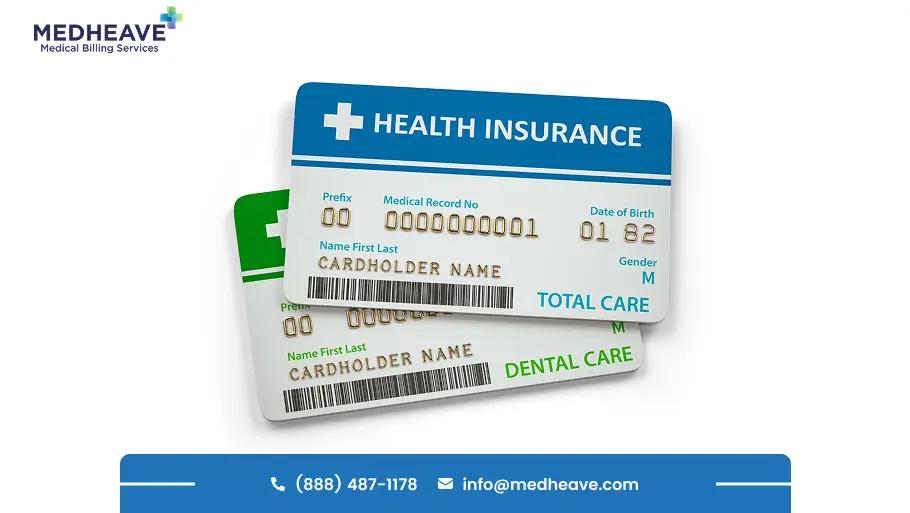
Did you know that you can have 2 insurances at the same time in the U.S? It’s possible and sometimes useful to be covered by two health insurance plans at the same time. But before deciding if dual coverage is right for you, it’s essential to understand how it really works, what advantages it offers, and what pitfalls you might face.
This article breaks down everything you need to know clearly, accurately, and based on the latest U.S. health insurance rules.
What Does It Mean to Have Two Health Insurance Plans?
Being covered by two health insurance plans, often called dual coverage or double insurance, means that you have more than one active health policy at the same time. This can happen through:
- Your employer and your spouse’s employer’s plans
- A private plan and Medicare
- A private plan and Medicaid
- Two employer-sponsored plans
Dual coverage triggers Coordination of Benefits (COB), a process insurers use to decide which plan pays first (“primary”) and which pays next (“secondary”).
How Coordination of Benefits (COB) Works
When you have two plans, Coordination of Benefits (COB) determines how payments are split, so insurers don’t pay more than the cost of your care.
Primary vs. Secondary Coverage
- Primary plan: Pays first according to its benefits and coverage rules.
- Secondary plan: Pays remaining costs only if the primary plan did not cover them, up to what it would pay if it were primary.
- Combined total payments cannot exceed 100% of the medical bill.
How is the Primary Plan
COB rules use a set order to decide which plan pays first. These rules are often based on:
- Whether coverage is through your employer or your spouse’s
- Whether Medicare or Medicaid is involved
- Specific plan language and state rules
Guidelines such as the “birthday rule” (for children covered under two parental plans) often apply.
Official U.S. Policy on COB
Under the Health Insurance Portability and Accountability Act (HIPAA), COB standards are required so plans can electronically determine payment responsibilities for claims.
Pros of Having Two Health Insurance Plans
Dual coverage can be very useful if structured and managed correctly. Here are the benefits that are backed by official health insurance guidelines:
Lower Out-of-Pocket Costs
Having a secondary plan can reduce what you pay for deductibles, copays, and coinsurance after your primary plan pays its share.
Broader and More Comprehensive Coverage
Different plans may cover different services. If one plan doesn’t cover a service (like certain therapies), the secondary plan might. This can make your total coverage more complete.
Access to More Providers
Dual plans may have different provider networks. This can increase the number of in-network doctors and hospitals available to you, which is especially helpful if one plan has limited network options.
Safety Net During Transitions
Dual coverage can make sure healthcare access continues when you’re switching jobs or changing plans, reducing the risk of gaps in coverage.
Additional Financial Protection for Major Events
Surgeries, accidents, and chronic care can lead to huge bills. Dual coverage helps guard against high costs by letting the secondary plan help cover what the primary leaves behind.
Cons of Having Two Health Insurance Plans
Dual coverage isn’t a universal win; there are real disadvantages you need to understand before choosing it.
Higher Premium Costs
Paying for two health plans means two premiums. If both plans require you to pay monthly contributions, the total cost may outweigh the benefits, especially if one plan doesn’t add much additional coverage.
Complex Claims Processing
COB requires insurers to coordinate payment, which can lead to:
- Paperwork delays
- Additional documentation requirements
- Longer waits for reimbursements
This can make billing more confusing.
Duplication Rather Than Expansion of Coverage
If both plans cover the same services, you may be paying extra without gaining significant additional benefits.
Administrative Burden
Maintaining and understanding the rules of two plans, each with its own requirements, networks, and exclusions, takes more effort than managing one plan.
Potential Claim Denials or Confusion
Mistakes in reporting or billing between insurers can lead to denied claims or disputes about who should pay first, potentially resulting in unexpected bills.
When is Dual Coverage More Useful?
Dual coverage is typically most beneficial when:
- One of the plans has a low or no premium cost
- The secondary plan covers things the primary does not
- You need access to a broader provider network
- You’re transitioning between jobs or plans
- You’re covered by Medicare plus a supplemental plan
Each situation should be evaluated based on your unique healthcare and financial needs.
Key Tips Before You Opt for Dual Coverage
Here are practical steps recommended before you decide to maintain two health insurance plans:
Understand Which Plan is Primary
Know which plan will pay first; this directly affects your costs at the doctor’s office.
Review Both Plans’ Summaries of Benefits
Look for differences like:
- Covered services
- Excluded services
- Deductible amounts
- Provider networks
Tell Providers and Insurers About Both Plans
Always disclose both plans when receiving care to help avoid billing errors.
Special Case: Medicare and Dual Coverage
If you’re eligible for Medicare and another health insurance plan, COB rules help determine payment priorities:
- Medicare may be primary or secondary, depending on your situation.
- The Medicare Coordination of Benefits and Recovery Center tracks other coverage to coordinate proper payments.
Always report other coverage to Medicare to make sure payments are correct and to avoid repayment issues.
Conclusion
Having two health insurance plans in the U.S. can offer lower out-of-pocket costs, broader coverage, and more financial protection, but it also brings higher premiums and administrative complexity. Coordination of Benefits rules ensure that plans work together without exceeding total costs, but understanding primary vs. secondary coverage is essential for maximizing value.
But is dual coverage right for you? That depends on your financial situation, coverage needs, and the details of your plans, not just on having multiple cards in your wallet.
If insurance complexities are impacting your practice’s cash flow, MedHeave can help. We specialize in streamlining claims management, reducing denials, and optimizing reimbursement workflows so your team can focus on patient care. Contact Medheave to strengthen your revenue cycle operations.
Frequently Asked Questions
Is it worth it to have two health insurance policies?
There are benefits and drawbacks to having two health insurance plans. A secondary health insurance plan may be able to cover expenses that your primary plan doesn’t.
How do copays work with two insurances?
Normally, patients who come in with 2 insurances should not be charged a copay. In most cases, their secondary policy will pick up the copay left from the primary insurance.
Can having multiple policies be a red flag?
The insurance company will also scan the application for potential fraud; applying for multiple policies at the same time might raise a red flag.
What do I do if I have two health insurance plans?
Primary insurance pays first, up to policy limits. You may have a copay or cost-sharing. The primary health plan is required to pay everything it would pay, regardless of any secondary plan. Secondary insurance applies to the remaining balance after your primary insurance has paid its portion.
Who pays first with two insurances?
It depends on which insurance is considered “primary” and which is “secondary.” The insurance that pays first (primary payer) pays up to the limits of its coverage. The insurance that pays second (secondary payer) only pays if there are costs the primary insurance didn’t cover.

